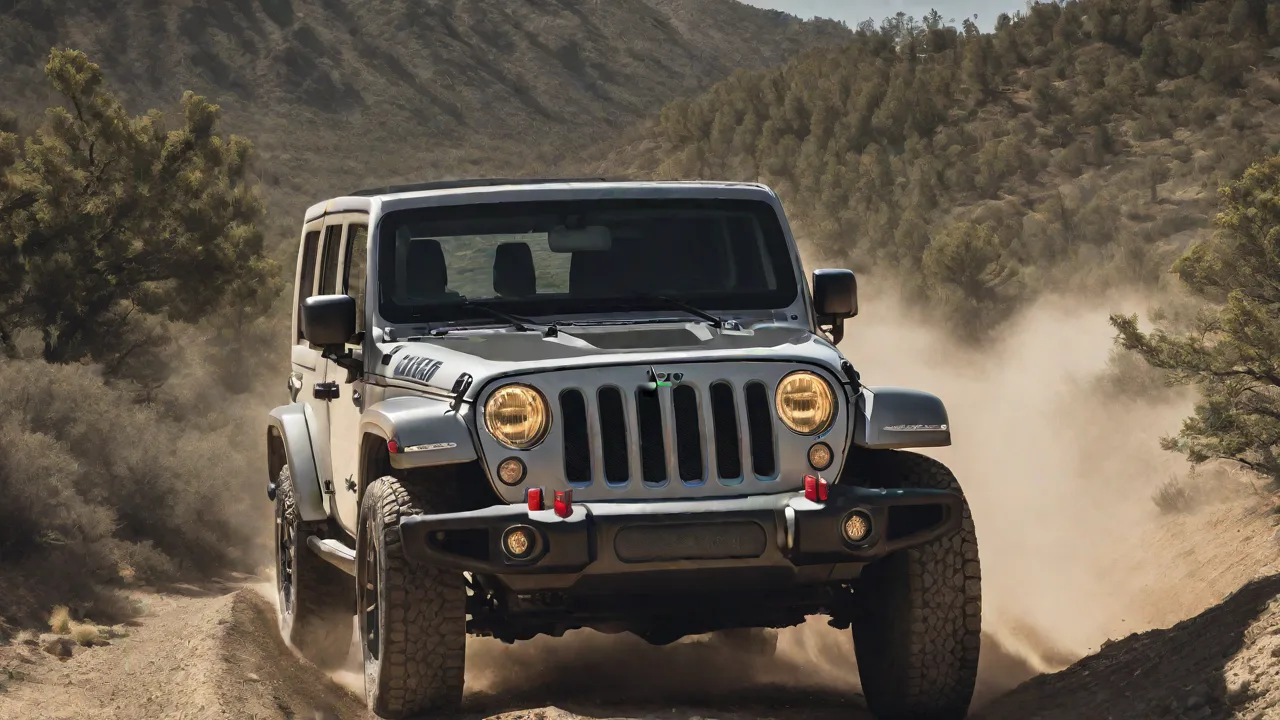
Strategies for Handling Disagreements in Jeep Online Communities
Why Disagreements Happen in Jeep Communities
Jeep online communities—forums, Facebook groups, Reddit subs, and Discord servers—are fueled by passion. Owners share everything from trail fixes and lift-kit advice to brand allegiance debates. That same passion, however, can spark friction. Disagreements often arise from conflicting opinions on vehicle modifications, driving styles (rock crawling vs. overlanding), brand loyalty (Wrangler vs. Gladiator vs. Cherokee), or even climate-control settings. When anonymity combines with strong emotions, a simple difference of opinion can escalate into a full-blown argument. Recognizing that these disagreements stem from genuine enthusiasm—not malice—is the first step toward managing them effectively.
Understanding the Root Causes
Tribalism and Identity
Jeep owners often identify strongly with their specific model or build philosophy. A hardcore rock-crawler might dismiss a mall-crawler’s choices as irrelevant, while a budget-conscious DIYer may resent the “spend more, win more” crowd. This tribalism isn’t unique to Jeeps, but the brand’s culture amplifies it. When someone’s identity is tied to their rig, a critique of their suspension choice can feel like a personal attack.
Anonymity and Tone
Text-based communication lacks vocal tone and body language. A sarcastic comment intended as humor may be read as condescension. Similarly, a well-intentioned correction can come off as lecturing. Without visual cues, members often project negative intent, fueling misunderstandings.
Passionate Expertise
Many Jeep enthusiasts have deep technical knowledge—and strong opinions about what’s “right.” A mechanic who’s seen poor lockers fail on the trail may be blunt with a newbie asking about budget axles. While the advice may be sound, the delivery can feel abrasive.
Effective Strategies for Handling Disagreements
1. Establish Clear, Enforced Community Guidelines
The foundation of any healthy online space is a set of rules that define acceptable behavior. For Jeep communities, these should cover:
- Respectful language – no name-calling, slurs, or threats.
- Stay on topic – avoid derailing threads with personal attacks.
- Assume good faith – encourage members to give each other the benefit of the doubt.
- No dual accounts – ban evasion can worsen conflicts.
Post the guidelines prominently and pin them at the top of every category. Moderators should consistently enforce them—first with private warnings, then public reminders, and finally temporary or permanent bans for repeat offenders. Consistency builds trust.
2. Promote Respectful Communication Techniques
Even with guidelines, disagreements will occur. Teach members how to disagree constructively:
- Use “I” statements – “I’ve had different results with that lift” instead of “Your lift is garbage.”
- Acknowledge the other person’s perspective – “I see why you’d prefer a solid axle for rock crawling, but for daily driving I’ve found IFS more comfortable.”
- Ask clarifying questions – “What trail conditions led you to choose 35s?” This shifts tone from attack to curiosity.
- Avoid absolutes – Words like “always,” “never,” and “everyone” inflame arguments.
Moderators can model these behaviors in their own posts. Consider a sticky post titled “How to disagree without breaking the rules” with examples.
3. Foster a Culture of Open-Mindedness
Jeep communities thrive when members are willing to learn. Encourage a “beginner’s mindset” even among veterans. Some practical tactics:
- Highlight diverse builds – share member spotlights that feature different uses (overlanding, mudding, daily driver).
- Create separate channels for debates – some communities have a “Sacred Cow” debate room where members can argue over things like hardtop vs. soft top without disrupting other threads.
- Use polls – to gauge consensus on contentious topics before diving into arguments. “Which air compressor brand do you prefer?” can defuse heated product comparisons.
When a heated thread emerges, a moderator can step in and redirect: “It’s okay to have different preferences—let’s keep the conversation productive. What specific experience led each of you to your choice?”
4. Leverage Private Resolution Channels
Public arguments often escalate because participants feel they must “win” in front of an audience. Encourage members to move disagreements to private messages (PMs) or direct messages. A moderator can suggest: “This seems like a conversation better had one-on-one. Please continue via DM.” Many platforms allow moderators to temporarily pause a public thread while parties resolve things privately.
Private resolution often works because people drop their defensive posturing when there’s no audience. Moderators can also be copied into private chats to mediate, acting as neutral third parties.
5. Use Structured Moderation and Conflict Resolution Tools
Moderators need more than intuition—they need a toolkit. Effective tools include:
- Thread locking/pausing – temporarily halting a thread that’s devolving into flaming allows tempers to cool.
- Warning systems – automated tiered warnings (3 strikes) give members a chance to correct behavior without immediate bans.
- User notes – internal notes on members’ behavior help moderators track patterns (e.g., “User X starts three aggressive threads per week”).
- Timeout – short suspensions (24 hours to a week) can be very effective for cooling down repeat offenders.
Some communities use dedicated moderation bots (e.g., for Discord) that automatically flag inflammatory language. Others rely on human judgment. A best practice is to have a team of moderators with diverse backgrounds—age, experience level, and Jeep model—so that decisions are balanced.
6. Encourage “Agree to Disagree” and Letting Go
Not every disagreement needs to be resolved. Some topics are fundamentally polarizing—like whether to use synthetic or conventional oil. In those cases, a respectful conclusion can be: “I’ve heard both sides, and I’ll stick with synthetic for now. Thanks for sharing your experience.”
Moderators can guide threads toward closure by summarizing differing views neutrally: “We’ve seen several valid approaches here. Ultimately, each owner needs to choose based on their budget, terrain, and comfort level. Let’s agree that there’s no single right answer.”
Preventing Conflicts Before They Start
Proactive measures reduce the frequency and intensity of disagreements.
Build a Welcoming Onboarding Process
New members often unknowingly step into minefields by posting controversial topics without context. A welcome message that explains community culture, guidelines, and recommended “first post” topics can set the tone. Some forums require new members to introduce themselves in a dedicated thread before posting elsewhere—this builds relationships early.
Curate Content That Celebrates Diversity
Showcase a wide range of Jeep builds and experiences. Feature “Jeep of the Month” that alternates between a pristine stock Willys, a slammed XJ, and a fully armored JK. When members see that all styles are respected, they’re less likely to attack others for different choices.
Use Pinned FAQ Threads for Hot Topics
Many disagreements arise because the same arguments repeat: “Should I buy a V6 or V8?” “Best 33-inch tire?” Create authoritative, pinned threads that consolidate expert opinions and data. When a new member asks the question again, moderators can direct them to the existing thread, reducing repetitive conflict.
Handling Escalated Conflicts
Despite best efforts, some disagreements escalate. Here’s a step-by-step protocol for moderators:
- Assess the situation – Is it a heated but respectful debate? Or does it include personal attacks, threats, or harassment? Focus on rule violations, not on who’s right.
- Private intervention – Send a private message to each party: “I see this thread is getting tense. Please respect our guidelines and keep it civil.”
- Public warning – If the private message is ignored, post a public warning in the thread: “Reminder: personal attacks are not allowed. Please re-read the guidelines. If this continues, the thread will be locked.”
- Thread lock – Lock the thread for a cooling-off period (12–24 hours). Then unlock it with a moderator post summarizing what went wrong and how to move forward.
- Ban or suspend repeat offenders – Members who consistently ignore warnings may need a timeout or permanent ban. Document each incident.
- Follow up – After the conflict fades, check in via PM to see if any lingering resentment remains. A simple “Hope you’re enjoying the forum again” can heal wounds.
The Role of Community Leaders
Moderators and administrators set the tone through their own behavior. They should:
- Apologize when they’re wrong – admitting a mistake models humility.
- Be consistent – enforce rules equally for long-time members and newcomers.
- Celebrate positive contributions – public praise for helpful members, such as “Shout out to @JeeperJohn for patiently explaining axle ratios!”
- Lead by example – when moderators engage in debates, they should do so with exceptional respect, even when provoked.
External Resources to Support Your Community
For deeper guidance, consider sharing these external resources with members:
- Jeep Community Etiquette Guide – Jeep.com’s official guidelines (link placeholder – use actual Jeep.com etiquette page if available).
- Conflict Resolution for Online Communities – Psychology Today’s conflict resolution tips (link placeholder – use a reputable article).
- Moderation Best Practices – Reddit’s Mod Guide (uses real Reddit guide).
- Dealing with Toxic Behavior – Keep Toxic (placeholder – a resource on managing toxic members).
Include these links in a “Resources for Members” sticky thread so everyone can access them.
Encouraging Constructive Discussions
Ultimately, the goal isn’t to eliminate disagreement—it’s to channel it productively. Communities thrive when members feel safe to challenge ideas without fear of backlash. Strategies include:
- Create debate-friendly spaces – designate a specific section of the forum for “Hot Topics” where strong opinions are expected, but rules still apply.
- Use Q&A format – instead of open threads, pose a question like “What’s the most underrated Jeep modification?” and encourage structured answers.
- Reward civility – give “Respect” badges or karma points for members who handle disagreements gracefully.
- Share success stories – post about times when a respectful disagreement led to a better outcome for the community, such as a new trail guide or a group buy.
Conclusion
Disagreements are inevitable in any passionate community, especially among Jeep owners who care deeply about their vehicles. But with clear guidelines, respectful communication techniques, proactive moderation, and a culture that values learning over winning, conflicts can become opportunities for growth rather than sources of division. Every community is different—experiment with the strategies above, adapt them to your group’s size and culture, and revisit them regularly as your membership evolves. The result will be a community where even the most heated debates leave members feeling heard and respected, and where the love for Jeeps unites rather than divides.