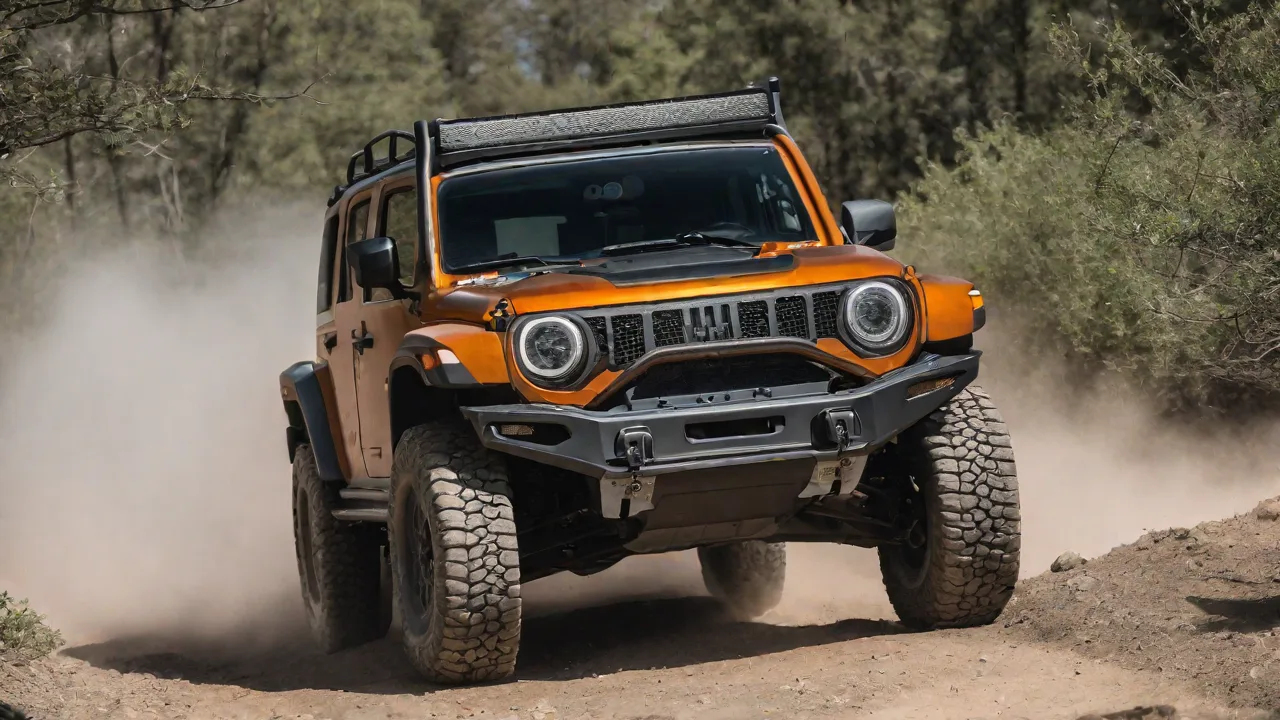
How to Find Off-Road-Friendly Bumpers That Comply With Local Regulations
Why Off-Road Bumper Compliance Matters More Than You Think
Choosing the right off-road bumper goes far beyond looks, approach angle, or winch capacity. It is a decision that directly affects your vehicle's crash safety, pedestrian protection, airbag deployment timing, and legal standing on public roads. Many off-road enthusiasts assume that any aftermarket bumper is fine as long as it bolts on, but local regulations governing bumper height, protrusion, lighting, and structural integrity are often more nuanced than expected. Failing to comply can result in fines, failed vehicle inspections, insurance claim denials, or even liability in an accident.
This expanded guide covers everything you need to know to select an off-road bumper that meets your trail needs without putting you on the wrong side of the law. From understanding federal and state vehicle codes to confirming manufacturer certifications, we will walk through the critical checkpoints that ensure your bumper is both trail-ready and road-legal.
Understanding Local Regulations: The Legal Framework
Vehicle modification laws vary significantly depending on where you live. What is perfectly legal in Arizona might be illegal in California or New York. The best starting point is to review the official vehicle code or administrative rules for your state or province. The National Highway Traffic Safety Administration (NHTSA) provides federal guidelines, but states often have stricter requirements.
Bumper Height and Vertical Clearance
Most states impose maximum and sometimes minimum bumper heights to ensure that passenger vehicles align correctly in a collision. These rules are designed to prevent smaller cars from sliding under larger trucks during crashes. For light trucks and SUVs, the front bumper height is typically limited to between 16 and 30 inches from the ground, measured from the bottom of the bumper structure. Check your state's specific height limits, as exceeding them can lead to citations and safety risks.
Lighting and Auxiliary Light Laws
Many off-road bumpers come with integrated light bars, fog lights, or auxiliary driving lamps. While these are excellent for trail use, most states restrict their use on public roads. Common rules include:
- Covering aftermarket lights when driving on highways (often required for lights not meeting Department of Transportation (DOT) standards).
- Limiting the number of auxiliary lights that can be illuminated simultaneously.
- Restricting light color (amber, white, or red) and beam pattern (flood vs. spot).
- Prohibiting lights above a certain brightness, measured in lumens or candlepower.
Always verify that any lighting integrated into your bumper meets local road-use standards or can be easily disconnected or covered for street driving.
Bumper Protrusion and Brush Guard Restrictions
Some jurisdictions limit how far a bumper can extend beyond the vehicle's original dimensions. This is especially relevant for full-width bumpers with integrated brush guards, stinger bars, or bull bars. If the bumper extends too far forward, it may be classified as a non-compliant modification. In certain countries, aftermarket bull bars are outright banned because they are considered pedestrian-unfriendly in collisions. In the United States, regulations are less uniform, but some states impose restrictions on protrusion beyond the original bumper line.
Airbag and Crash Sensor Interference
Modern vehicles have crumple zones and crash sensors calibrated for the factory bumper structure. Replacing the front bumper with a heavy steel or aluminum aftermarket unit can alter how the vehicle absorbs impact and how quickly airbags deploy. While not always a written law, using a bumper that interferes with these safety systems can violate vehicle safety standards and void your insurance coverage. Choose bumpers specifically designed and tested for your vehicle's make, model, and year to mitigate this risk.
Key Features of Off-road-Friendly Bumpers
Once you understand local regulations, you can focus on the functional features that make a bumper truly off-road-friendly. The best bumpers balance durability, clearance, and utility without sacrificing legal compliance.
Material and Construction
High-strength steel bumpers offer maximum impact resistance and are ideal for heavy rock crawling. Aluminum bumpers are lighter, reduce front-end sag, and resist corrosion but may dent more easily. Consider your terrain: steel for extreme conditions, aluminum for overlanding or daily driving with occasional trail use. Look for bumpers with a powder-coated finish or marine-grade coating to prevent rust and extend lifespan.
Approach Angle and Clearance
A well-designed bumper improves your vehicle's approach angle by tucking up closer to the body and removing the low-hanging plastic air dam found on many factory bumpers. This allows you to climb steeper obstacles without scraping. Some bumpers also feature replaceable skid plates underneath for additional protection.
Winch Mounting and Recovery Points
Off-road ready bumpers often include a built-in winch plate or a recessed winch mount. Ensure the bumper can support the weight of a winch suitable for your vehicle (typically 1.5 times the vehicle's gross weight). Additionally, look for integrated recovery points such as D-ring mounts or shackle tabs that are rated for snatch recoveries. Avoid bumpers that have non-reinforced recovery points, as these can fail under load and cause serious injury.
Lighting Integration
Bumpers with pre-wired light mounts, fog light cutouts, or light bar brackets simplify adding auxiliary lighting. The best designs allow lights to be mounted low and forward without obstructing airflow to the radiator. As mentioned earlier, ensure that any integrated lights can be switched off or covered when driving on public roads if they do not meet DOT standards.
Sensor and Camera Compatibility
Many modern trucks and SUVs have front parking sensors, 360-degree cameras, and adaptive cruise control sensors located in the factory bumper. A high-quality aftermarket bumper will provide relocation brackets or cutouts to preserve these functions. Bypassing or blocking these sensors can result in warning lights, reduced functionality, and even failed vehicle inspections. Always confirm that the bumper manufacturer includes provisions for your specific vehicle's sensor suite.
How to Verify Compliance Before You Buy
Taking the time to verify compliance before purchasing saves you from costly returns or legal trouble. Follow these steps to ensure your chosen bumper meets local requirements.
Check Manufacturer Certifications
Look for bumpers that include documentation of compliance with Society of Automotive Engineers (SAE) standards, Federal Motor Vehicle Safety Standards (FMVSS), or state-specific certifications. Reputable manufacturers such as ARB 4x4 Accessories or Addictive Desert Designs often provide compliance information on their websites or in product manuals. If a manufacturer cannot or will not provide compliance details, consider that a red flag.
Compare Specifications to Local Laws
Print or save the official vehicle modification guidelines for your city and state. Create a checklist based on those rules (height limits, protrusion limits, lighting requirements, etc.) and check each bumper specification against it. Pay special attention to:
- Front and rear bumper height measurements.
- Maximum allowable width or protrusion past the fenders.
- Lighting requirements (DOT approval, number of lights, color, brightness).
- Requirements for covering or disabling off-road lights on public roads.
Consult with a Professional Installer
Even if you plan to install the bumper yourself, consult with a shop that specializes in off-road vehicles and understands local compliance. They can often point out potential issues you might overlook, such as interference with crash sensors or height violations. Some shops also offer compliance testing and documentation services.
Keep All Documentation
Once you purchase a compliant bumper, store the original invoice, specification sheet, and any compliance certificates in your vehicle's glovebox or with your vehicle registration. If you are ever pulled over or questioned during a vehicle inspection, having this documentation readily available can resolve questions quickly and avoid citations.
Installing Your Bumper: Compliance and Safety Considerations
Proper installation is just as important as selecting a compliant bumper. Even a compliant bumper can become illegal if installed incorrectly or modified after purchase.
Professional Installation vs. DIY
Installing an aftermarket bumper often requires removing the factory bumper, trimming the vehicle's fascia, and possibly relocating components like the washer fluid reservoir, intercooler, or sensors. Professional installers are familiar with torque specifications, wiring standards, and safety protocols. If you decide to install the bumper yourself, invest in a factory service manual for your vehicle and use a torque wrench for all critical fasteners. Overtightening or undertightening bolts can lead to structural failure or misalignment.
Lighting and Wiring Compliance
When wiring auxiliary lights, use relays and fuses rated for the expected current draw. Secure all wiring with automotive-grade loom and zip ties to prevent chafing. Ensure that any additional lights are connected to a switch that allows you to turn them off independently of the main headlights. In many jurisdictions, auxiliary lights must not interfere with the function of your vehicle's existing lighting system.
Sensor Recalibration
If your vehicle has adaptive cruise control, lane-keeping assist, or front collision warning, the sensors likely require recalibration after any bumper removal or replacement. Many manufacturers specify that these sensors must be realigned by a certified technician using specialized equipment. Skipping this step not only risks non-compliance but can cause dangerous false positives or system failures.
Post-installation Inspection
After installation, verify the following:
- Bumper height is within legal limits.
- All lights (including turn signals and license plate lights) are visible and functioning.
- No sharp edges or protrusions extend beyond the bumper that could pose a hazard to pedestrians.
- Airbag and parking sensor warnings are cleared from the dashboard.
- The winch, if installed, is securely mounted and the clutch operates correctly.
State-by-State and Regional Variations
While we cannot cover every jurisdiction, understanding common regional differences helps you know what to look for. The following examples illustrate how regulations can differ:
Western United States (Arizona, Nevada, Utah, Colorado)
These states generally have more lenient bumper and modification laws, particularly in rural areas. However, even these states impose restrictions on bumper height and require that all lighting meet DOT standards. Always verify county-specific rules, as some counties have stricter enforcement.
California
California has some of the strictest vehicle modification laws in the country. The California Vehicle Code contains specific sections on bumper height, protrusion, and auxiliary lighting. Aftermarket bumpers must not interfere with the vehicle's original crush zones or safety systems. Additionally, California enforces strict noise regulations that may apply to bumpers with integrated light bars or mounting brackets that vibrate at highway speeds.
Northeastern States (New York, New Jersey, Massachusetts)
These states typically require annual vehicle inspections that include checking bumper compliance. Any modification that changes the original bumper's height, protrusion, or structural integrity can lead to an inspection failure. Some states also require that bumpers be painted or finished in a non-reflective manner to reduce glare for other drivers.
International Considerations (Canada, Australia, EU)
If you live outside the United States, regulations can be dramatically different. In Australia, aftermarket bull bars are common but must comply with Australian Design Rules (ADR), particularly regarding pedestrian safety. In the European Union, many countries restrict or prohibit bull bars and heavy steel bumpers due to pedestrian collision standards. In Canada, provincial regulations vary, but most align closely with U.S. federal standards plus additional provincial inspection requirements. For an overview of international trends, consult resources provided by the Fédération Internationale de l'Automobile (FIA).
Common Mistakes When Choosing an Off-Road Bumper
Even experienced off-roaders can make mistakes when selecting a bumper. Avoiding these pitfalls will save you time, money, and potential legal headaches.
Ignoring Weight and Vehicle Sag
Heavy steel bumpers can add 100 to 200 pounds to the front of your vehicle, changing its handling, braking distance, and suspension geometry. Without upgrading your springs or torsion bars, the front end may sag, reducing ground clearance and negatively affecting headlight aim (which is also a legal requirement). Always factor in the bumper's weight and consider upgrading your suspension accordingly.
Assuming All Bumpers Are Airbag-Compatible
Not all aftermarket bumpers are designed to work with your vehicle's airbag system. Some older designs or knock-off brands do not account for crash sensor placement and timing. Installing an incompatible bumper can cause airbags to deploy too late, too early, or not at all. Stick to bumpers from companies that specifically test for airbag compatibility and provide documentation.
Overlooking Front License Plate Requirements
Many off-road bumpers lack a designated front license plate mount. In states that require front plates, this can lead to citations. Look for bumpers that include a removable or integrated front plate bracket, or plan to fabricate one that meets your local plate display rules (typically requiring the plate to be visible and mounted at a specific height).
Buying Based on Price Alone
Cheap bumpers often use lower-grade steel, minimal welding, and insufficient reinforcement. They may not hold up to off-road use or may fail in ways that compromise safety. More importantly, low-cost manufacturers rarely provide compliance documentation or crash testing data. Investing in a mid-to-high-range bumper from a reputable brand pays off in both performance and legal peace of mind.
Neglecting to Check Insurance Coverage
Some insurance policies exclude aftermarket modifications or require you to declare them. If you install a non-compliant bumper and are involved in an accident, your insurer might deny your claim. Contact your insurance provider before purchasing and ask whether your policy covers aftermarket bumpers and what documentation they require.
Maintaining Your Bumper for Long-term Compliance
Compliance is not a one-time check. Over time, bumpers can degrade, shift, or become damaged in ways that put them out of compliance. Regular maintenance ensures your bumper remains legal and functional.
Inspect for Rust and Corrosion
Steel bumpers, even those with powder coating, can develop rust over time, especially if you drive in salt-heavy environments or frequently submerge the bumper in water. Inspect the bumper monthly for chips, scratches, or rust spots. Touch up any damage immediately with automotive-grade paint or rust converter to prevent structural weakening.
Check Fasteners and Alignment
Off-road use can loosen bolts due to vibration and impact. Every few months, retorque all bumper mounting bolts to the manufacturer's specifications. Check that the bumper has not shifted or tilted out of alignment with the vehicle's frame. A misaligned bumper can increase protrusion beyond legal limits or interfere with sensor operation.
Verify Lighting Functionality
Lights integrated into the bumper are exposed to mud, water, and debris. Regularly clean the lenses and check that all bulbs and LED elements are functioning. Replace any burned-out bulbs immediately. Also inspect wiring for chafing, corrosion, or loose connections that could lead to short circuits or fire hazards.
Documentation Updates
If you move to a new state or province, re-check your bumper's compliance against the new jurisdiction's laws. What was legal in Texas may not be legal in Vermont. Keep your compliance documentation current and accessible.
Final Considerations for a Safe and Legal Off-Road Build
Finding an off-road-friendly bumper that complies with local regulations is entirely achievable with the right approach. Start by researching your local vehicle code, then narrow your choices to bumpers that meet both your off-road needs and legal requirements. Prioritize bumpers from reputable manufacturers who openly share compliance data, sensor compatibility features, and installation guidelines.
Remember that your bumper is a safety device first and an accessory second. A compliant bumper protects you, your passengers, and other road users while allowing you to explore challenging terrain with confidence. By taking the time to verify height limits, lighting rules, protrusion restrictions, and airbag compatibility, you ensure that your off-road vehicle remains street-legal, insurable, and safe for everyone.
For further reading on vehicle modification laws and off-road safety standards, consult the SAE International standards library and your local Department of Motor Vehicles website. With thorough preparation, you can build a capable, compliant off-road vehicle that you can enjoy for years to come.