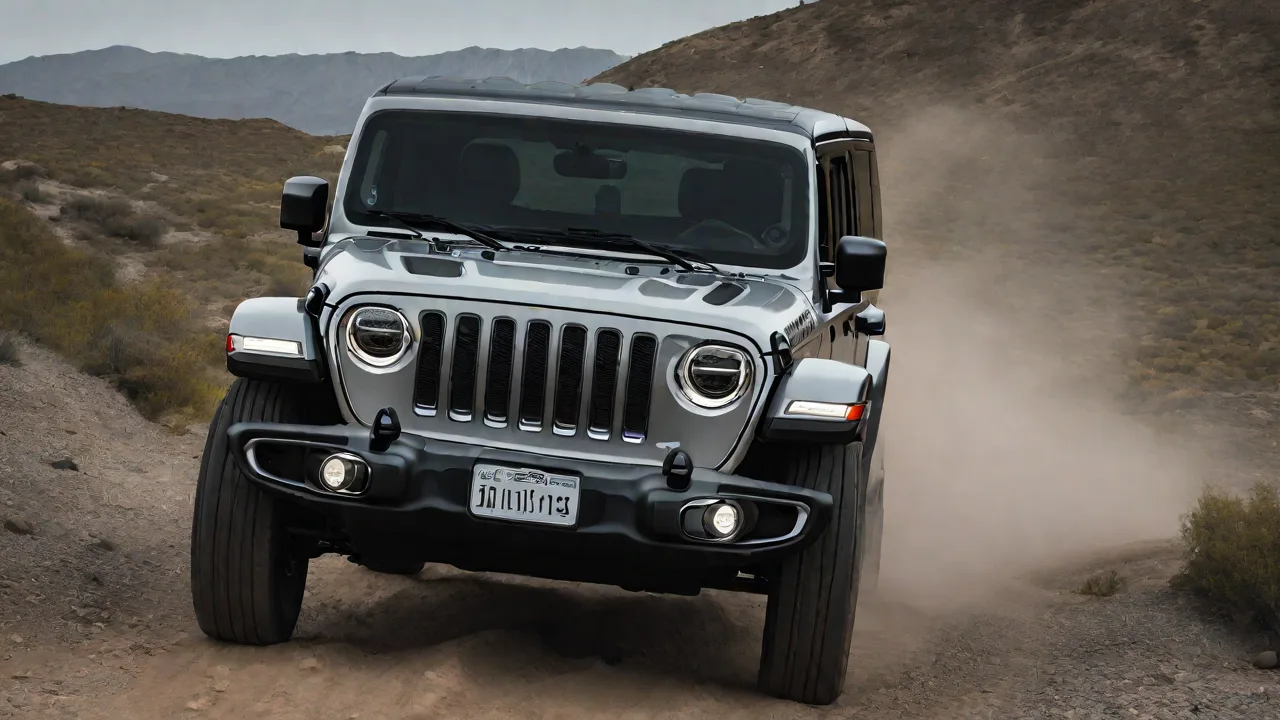
What to Expect During Your First Service Interval on the Jeep Wrangler 4xe
Your Jeep Wrangler 4xe First Service: A Complete Guide
Taking delivery of a Jeep Wrangler 4xe marks the start of an ownership experience unlike any other. This plug-in hybrid off-roader combines legendary capability with electric efficiency, creating a vehicle that demands a slightly different approach to maintenance than its conventional siblings. The first service interval is your opportunity to ensure that every complex system—from the gasoline engine to the high-voltage battery pack—is operating exactly as engineered. This guide walks you through exactly what happens during that first appointment, how to prepare, and what you can do between services to keep your 4xe performing at its peak.
When Does the First Service Actually Happen?
Jeep recommends the first scheduled maintenance for the Wrangler 4xe at 8,000 miles or six months, whichever arrives first. This is a departure from the traditional 5,000-mile intervals found on many conventional vehicles, and it reflects the hybrid drivetrain’s reduced reliance on the internal combustion engine during daily commuting. If you primarily drive in electric-only mode, the gasoline engine accumulates far fewer miles than the odometer suggests, allowing longer intervals between oil changes.
That said, the six-month time limit matters. Even if you are short of 8,000 miles, the six-month mark triggers the service because engine oil degrades over time due to moisture accumulation and thermal cycling, regardless of mileage. The hybrid system’s regenerative braking also places unique demands on the brake system, and the high-voltage battery pack requires periodic health checks to maintain warranty compliance.
Mileage vs. Time: Which Matters More?
For most owners, the mileage threshold is the primary trigger. If you drive roughly 1,300 miles per month, you will hit 8,000 miles right around the six-month mark. However, if you work from home or use the 4xe primarily for short electric-only trips, you may reach six months with only 3,000 to 4,000 miles on the odometer. In that case, the time-based interval takes precedence. The engine oil and filter must be changed regardless of mileage because moisture and condensation accumulate in the crankcase when the engine runs infrequently. This is especially relevant for 4xe owners who charge daily and rarely trigger the gasoline engine.
What Gets Done During the First Service
The first service interval is classified as an A-Service under Jeep’s maintenance schedule. It covers a core set of inspections and replacements designed to catch early issues and reset the vehicle’s maintenance reminder system. Here is the complete breakdown of every task performed.
Engine Oil and Filter Change
The technician drains the existing oil and replaces it with SAE 0W-20 full synthetic oil that meets Chrysler specification MS-6395. The 4xe’s 2.0-liter turbocharged four-cylinder engine holds approximately 5.5 quarts. The oil filter is also replaced with a Mopar-spec unit. This is arguably the most important task because the turbocharger places additional thermal stress on the oil. Using the correct viscosity and certification is critical; aftermarket oils that do not meet MS-6395 can lead to turbocharger coking and premature engine wear.
The technician also resets the oil life monitor system after the change. This monitor does not simply count miles; it uses an algorithm that factors in engine load, operating temperature, idle time, and driving conditions to calculate remaining oil life. After the reset, the system recalibrates to 100 percent.
Fluid Level Inspection and Top-Off
Every fluid reservoir is checked and brought to the correct level. The list includes:
- Engine coolant (OAT specification, typically purple or yellow)
- Brake fluid (DOT 4, LV specification)
- Windshield washer fluid
- Power steering fluid (electric power steering on the 4xe uses a dedicated hydraulic system)
- Automatic transmission fluid (ZF 8HP50 eight-speed—check level only, not replaced)
- Hybrid system coolant (separate loop for the battery pack and power electronics)
Many owners overlook the fact that the 4xe has two separate cooling systems. The engine uses a conventional coolant loop, while the hybrid battery pack and inverter have their own dedicated cooling circuit with a distinct reservoir and a different coolant specification. The technician checks both and uses the correct fluid for each. Mixing these up can damage the battery cooling system.
Tire Rotation and Inspection
The tires are rotated in a cross-pattern to promote even wear across all four positions. On the 4xe, tire rotation is especially important because the vehicle’s weight distribution is different from a standard Wrangler. The hybrid battery pack adds roughly 350 pounds to the rear axle, and the front axle carries the engine and electric motor generator assembly. This uneven weight distribution can accelerate front tire wear if rotation is neglected.
The technician also checks tire pressure across all five tires (including the spare) and adjusts to the specifications listed on the driver’s door jamb sticker. For the Wrangler 4xe, the recommended pressure is typically 37 psi for both front and rear tires, but always verify with your specific tire placard because aftermarket tire sizes and wheel offsets may require different pressures. The inspection includes a visual check for sidewall damage, tread depth, and any foreign objects lodged in the tread.
Brake System Inspection
The brake system receives a thorough visual inspection. The technician checks brake pad thickness on both the front and rear axles, examines the rotors for scoring or warping, and verifies that the brake calipers slide freely. On the 4xe, the brake system is unique because the vehicle uses regenerative braking to recover energy. The electronic brake booster translates pedal input into a blend of regenerative and friction braking. This system is self-diagnosing and stores fault codes if any component deviates from specifications.
The technician also checks brake fluid for contamination and moisture content. Brake fluid is hygroscopic, meaning it absorbs water from the atmosphere over time. Even at the first service, fluid can show elevated moisture levels if the vehicle has been driven in high-humidity conditions or through deep water crossings. If moisture content exceeds 3 percent, the fluid should be flushed and replaced, though this is rare at the first service interval unless the vehicle has been submerged.
Battery Health Check
The 4xe has two batteries: a conventional 12-volt auxiliary battery located under the hood, and the main 17.0 kWh lithium-ion hybrid battery pack mounted under the rear seats. Both are inspected during the first service.
12-volt Battery: The technician tests the 12-volt battery’s state of charge and cranking capacity using a conductance tester. If the battery shows signs of sulfation or low reserve capacity, it may be replaced under warranty. The 12-volt battery on the 4xe is critical because it powers the vehicle’s computers, lighting, and accessories when the hybrid system is inactive. A weak 12-volt battery can cause random electrical faults and prevent the hybrid system from engaging.
Hybrid Battery Pack: The technician connects a diagnostic tool to the hybrid system controller and reads the battery pack’s state of health (SOH) and state of charge (SOC) values. The diagnostic report shows individual cell voltages, temperature distribution across the pack, and any historical fault codes. The pack should show less than 10 percent capacity degradation at the first service under normal use. If the diagnostic reveals cell imbalance or excessive temperature variation, further investigation is warranted.
Software Updates and Recalls
Modern vehicles are as much software as hardware, and the Wrangler 4xe is no exception. The technician connects the vehicle to Chrysler’s service network and checks for any outstanding software updates or safety recalls. Updates may apply to the engine control module (ECM), transmission control module (TCM), hybrid powertrain control module (HPCM), battery management system (BMS), or the Uconnect infotainment system.
These updates are performed at no charge during the service visit. They can address issues such as regenerative braking calibration, shift quality, charging behavior, and infotainment stability. Jeep regularly releases over-the-air updates, but some critical powertrain updates require dealer-level programming equipment. Skipping these updates can leave your 4xe with known issues that have been resolved by later software versions.
The technician also checks for any active safety recalls. The Wrangler 4xe had a notable recall in early 2024 involving a potential loss of drive power due to a hybrid control module programming error. If your vehicle falls within the affected production range, the dealer will apply the corrected firmware at no cost.
HVAC Cabin Air Filter Replacement
The cabin air filter is replaced during the first service. This filter cleans the air entering the passenger compartment through the HVAC system. On the 4xe, the filter is located behind the glove box and can be accessed without tools. A clogged cabin filter reduces airflow through the vents and can allow dust, pollen, and exhaust fumes to enter the cabin. The technician installs a new Mopar filter that meets the vehicle’s specification.
Multi-Point Inspection
Beyond the specific tasks listed above, the first service includes a comprehensive 38-point inspection that covers the following areas:
- Exterior lighting (headlights, taillights, turn signals, brake lights)
- Horn operation
- Windshield wiper blades and washer nozzles
- Drive belt condition and tension
- Battery cables and terminals for corrosion
- Engine and transmission mounts for cracks or separation
- Exhaust system for leaks, rust, or damage
- Fuel lines and vapor recovery system
- Steering linkage and tie rod ends
- Shock absorbers and struts for fluid leaks
- Suspension bushings and ball joints
- Driveshaft and universal joints
- Differential fluid level and leaks (front and rear)
- Transfer case fluid level and leaks
- Brake lines and hoses for cracks or abrasion
- Chassis fasteners for tightness
This inspection provides a baseline for the vehicle’s condition and gives the technician the chance to identify any developing issues before they become problems. At the first service, the most common findings are loose chassis fasteners, minor fluid seepage at engine gaskets, and under-inflated spare tires.
What the First Service Costs
The cost of the first service on a Jeep Wrangler 4xe varies by dealer location and market rates. In the United States, the typical price ranges from $250 to $400 for the full A-Service package. This includes the oil change, filter replacement, cabin filter, fluid top-offs, tire rotation, multi-point inspection, and software updates. Some dealers offer a discounted first-service package for new vehicles that reduces the price to approximately $199.
If you purchased a Jeep Wave program or a Mopar Vehicle Protection plan, the first service may be included at no cost. The Jeep Wave program provides complimentary scheduled maintenance for the first three years or 36,000 miles, including oil changes, tire rotations, and multi-point inspections. Verify your coverage status with your dealer before the appointment to avoid paying out of pocket for covered services.
Independent shops generally charge less—often $150 to $250 for the same work—but they may not have access to the factory diagnostic tools required for hybrid system checks and software updates. If you choose an independent shop, confirm that they have the equipment and training to service the 4xe’s hybrid drivetrain. Not all independent shops have the high-voltage safety training necessary to work on plug-in hybrids safely.
How the 4xe Differs from a Gas-Only Wrangler at First Service
The first service on the Wrangler 4xe shares many tasks with the gas-only Wrangler, but there are important differences that owners should understand.
Oil change frequency: The gas-only Wrangler 3.6-liter V6 recommends oil changes at 5,000-mile intervals, while the 2.0-liter turbo in the 4xe can go 8,000 miles. This is because the hybrid powertrain offloads much of the low-load driving to the electric motor, reducing the engine run time per mile. Do not apply the 5,000-mile interval to the 4xe unless you drive exclusively in hybrid mode with minimal electric assistance.
Brake wear: The 4xe uses regenerative braking to capture energy during deceleration. This means the friction brakes are used far less than on a gas-only Wrangler. Many 4xe owners report that the brake pads still show 90 percent thickness at the first service, whereas a gas Wrangler might show 70 to 80 percent. This is normal and does not indicate a problem.
Hybrid system diagnostics: The gas-only Wrangler does not require any high-voltage battery health checks or hybrid coolant system inspections. The 4xe adds these steps to ensure that the battery pack and power electronics are operating within specifications. Neglecting these checks can void the hybrid system warranty.
Coolant types: The gas-only Wrangler uses a single coolant specification for the engine. The 4xe uses two separate circuits with different coolants. Using the wrong coolant in the hybrid circuit can damage the battery pack and inverter, leading to expensive repairs that may not be covered under warranty.
Preparing for Your First Service Appointment
A little preparation before your appointment can make the service faster and more productive. Follow these steps to get the most out of your visit.
Gather Your Documentation
Bring your owner’s manual, warranty booklet, and any service records you have. If you purchased an extended warranty or service plan, have the contract details available. The dealership will need your vehicle identification number (VIN) and odometer reading to create the work order. Having these ready speeds up the check-in process.
Note Any Issues You Have Observed
Write down any unusual sounds, vibrations, warning lights, or performance changes you have noticed. Common early issues on the 4xe include:
- Clicking sound from the rear axle during low-speed electric-only operation
- Harsh shift from first to second gear when the engine starts after electric-only driving
- Delayed engagement of the charging port release button
- Reduced electric-only range in cold weather (below 32°F)
- Infotainment screen freezes or slow response after remote start
Tell your service writer about these issues at check-in so the technician can investigate them during the service. Many of these are normal operating characteristics, but some may require software updates or component adjustments. Documenting them ensures they are not dismissed without investigation.
Check for Recalls Before Your Appointment
Visit the National Highway Traffic Safety Administration (NHTSA) website or use the Mopar recall lookup tool to check for open recalls on your vehicle. Enter your VIN and review any outstanding campaigns. If you find an open recall, mention it when scheduling your appointment so the dealer can order the necessary parts in advance. This prevents a second trip for recall work that could have been done during the first service.
Charge Level and EV Range Considerations
Arrive at the dealership with at least 20 percent state of charge in the hybrid battery. Some diagnostic procedures require the hybrid system to be active, and a depleted battery may prevent the technician from completing certain tests. If you typically charge at home, plug in the night before the appointment to ensure adequate charge for the service.
On the day of the service, leave the vehicle in hybrid mode during the drive to the dealership. This allows the engine and electric motor to reach normal operating temperature, which aids in accurate diagnostic readings. Avoid running the battery to zero on the way to the appointment.
What to Ask Your Service Advisor
Here are five questions to ask during check-in to ensure you receive thorough service:
- “Will the technician perform a hybrid system health check and provide me with the battery state-of-health report?”
- “Are there any outstanding software updates for my vehicle that will be applied?”
- “Can you provide an itemized invoice showing the fluid specifications used, especially the hybrid coolant and engine oil?”
- “Will my tire rotation follow the cross-pattern specific to the 4xe’s weight distribution?”
- “Is there any charge for the software update or recall work, or is it covered under the factory warranty?”
These questions demonstrate that you are an informed owner and encourage the service team to give your vehicle the attention it deserves. A good service advisor will answer each question without hesitation. If you receive vague responses, consider finding a different dealer for future service.
Between Services: What Owners Should Watch For
Your first service sets the baseline, but the miles between scheduled maintenance are where small issues can grow into major problems. Pay attention to these indicators and address them promptly.
Dashboard Warning Lights
The Wrangler 4xe has several unique warning lights that gas-only Wrangler owners never see. A yellow “Service Hybrid System” warning indicates a problem with the high-voltage system. A red “EV System” warning with a battery icon means the hybrid system has detected a fault that may prevent electric-only operation. Both require dealer diagnosis. Do not ignore them. Continuing to drive with an active hybrid system warning may cause the vehicle to enter a reduced-power mode or prevent starting.
You may also see a “Charging System Service Required” message if the onboard charger detects a fault. This may appear after plugging in to a public charging station that supplies unstable voltage. If the message clears after a normal home charge, it may be a one-time event, but if it reappears, schedule a service visit.
Unusual Noises from the Hybrid Drive Unit
Listen for any new sounds during electric-only operation. A whining noise from the motor generator unit at low speeds is normal. However, a grinding or clunking noise during acceleration or regenerative braking warrants investigation. The hybrid drive unit is a sealed assembly, and internal damage typically requires replacement rather than repair. Early detection can prevent a complete failure.
Charging Port and Cable Condition
Inspect the charging port door and latch mechanism for dirt or debris that might prevent the door from closing fully. Clean the charging contacts with a dry cloth if they appear corroded. Examine the charging cable for cuts, kinks, or abrasions, especially near the connector and the wall plug. Damaged cables can cause charging faults or create a fire risk. Replace any cable that shows signs of wear.
Regenerative Braking Feel
The regenerative braking system on the 4xe provides variable levels of deceleration depending on drive mode and battery state of charge. If you notice a sudden change in regenerative braking feel—stronger or weaker than usual—it may indicate a software calibration issue or a sensor fault. This is especially noticeable if you use the Max Regen paddle on the steering wheel. Report any changes to your dealer before the next scheduled service.
Tire Wear Patterns
Check your tire tread depth every 2,000 miles using a tread depth gauge. The 4xe’s weight distribution can cause the front tires to wear faster than the rear, especially if the vehicle is driven primarily in front-wheel-drive mode during electric operation. Uneven wear across the tread surface suggests incorrect tire pressure or alignment issues. Rotate your tires according to the maintenance schedule to maximize tread life.
Dealer vs. Independent Shop: Choosing Where to Service
Owners have the right to choose any qualified service facility and still maintain warranty coverage under the Magnuson-Moss Warranty Act. However, the Wrangler 4xe presents some unique considerations that may favor dealer service during the warranty period.
Advantages of Dealer Service
- Factory diagnostic tools: Dealerships have proprietary diagnostic equipment that reads all hybrid system fault codes and performs battery health assessments. Independent shops may lack this equipment.
- Technician training: Dealer technicians complete Chrysler-specific training on high-voltage systems and hybrid diagnostics. They know the common issues and service procedures for the 4xe.
- Warranty compliance: Using dealer service creates a documented history that Chrysler recognizes without question. If a warranty claim arises, the dealer has immediate access to your service records.
- Software updates: Only dealers have access to the secure server that hosts factory software updates. Independent shops cannot perform these updates unless they purchase expensive subscription-based access.
- Jeep Wave program: If you are enrolled in Jeep Wave, dealer service is covered at no cost. Choosing an independent shop would require you to pay out of pocket for the same work.
When an Independent Shop Makes Sense
- Out of warranty: Once the factory warranty expires, independent shops offer competitive labor rates and may use OEM-equivalent parts that cost less than genuine Mopar components.
- Routine maintenance only: If you only need an oil change and tire rotation without any hybrid system diagnostics, an independent shop with proper training can perform the work safely.
- Geographic convenience: If the nearest Jeep dealer is 50 miles away and a qualified independent shop is nearby, the convenience factor may outweigh the benefits of dealer service.
- Specialized modifications: Independent shops that specialize in off-road vehicles may have more experience with lifted Wranglers, large tires, and aftermarket modifications that can complicate standard service procedures.
If you choose an independent shop, insist on Mopar oil filters and synthetic oil meeting MS-6395 certification. Provide the shop with the service specifications from your owner’s manual and confirm that they have a high-voltage safety protocol for working on the 4xe. Ask if they have access to the factory service information system (TechAuthority) or a subscription to a third-party diagnostic platform that supports the 4xe.
Extending Beyond the First Service: The Full Maintenance Schedule
Understanding the first service is valuable, but it is equally important to plan for the services that follow. The Jeep Wrangler 4xe maintenance schedule includes several key milestones that extend well beyond the initial interval.
Second Service (16,000 miles or 12 months)
This service repeats the first service tasks, plus an added inspection of the accessory drive belt. The tire rotation pattern changes direction at this interval to further promote even wear. The cabin air filter is replaced again.
Third Service (24,000 miles or 18 months)
The brake fluid is tested for moisture content and replaced if necessary. The engine air filter is replaced for the first time. The hybrid battery pack cooling system receives a detailed inspection, including checking the coolant level and looking for signs of leaks.
Fourth Service (32,000 miles or 24 months)
This is a major service interval. The spark plugs are replaced on the 2.0-liter engine. The transmission fluid and filter are replaced on the eight-speed automatic. The transfer case fluid is changed. The differential fluids are changed for the first time. The hybrid battery pack cooling system is flushed and refilled with fresh coolant.
Fifth Service (40,000 miles or 30 months)
This service is similar to the first but also includes replacement of the accessory drive belt. The brake pads and rotors are measured and replaced if worn beyond specification.
Following the complete factory schedule is the best way to protect your investment and avoid unexpected breakdowns. Jeep recommends sticking to the schedule printed in your owner’s manual rather than following generic guidelines found online. The manual accounts for the unique requirements of the plug-in hybrid system.
What Happens if You Miss the First Service
Delaying or skipping the first service on your Wrangler 4xe can have real consequences. The most immediate effect is the loss of warranty coverage for any damage caused by neglected maintenance. If the engine suffers oil starvation because the oil change was overdue, or if the hybrid system incurs damage from degraded coolant, Chrysler can deny the warranty claim based on failure to follow the scheduled maintenance.
The oil life monitor system will continue to display decreasing oil life percentages and eventually trigger a “Change Oil Soon” message. If the oil is not changed within 500 miles of that message, the system will log a fault code that remains in the vehicle’s history. This fault code can appear on a dealer’s diagnostic scan during future service visits and may impact goodwill warranty coverage.
Beyond warranty concerns, the engine oil in an overdue 4xe can become contaminated with fuel dilution, especially in vehicles that make frequent short trips where the engine never reaches full operating temperature. The turbocharger bearings rely on clean oil for cooling and lubrication; contaminated oil can lead to turbocharger failure, which typically costs $2,000 to $3,000 to replace.
If you have missed the first service, schedule it as soon as possible. Most dealerships will perform the service without penalty, even if you are a few hundred miles or a few weeks beyond the interval. However, if you are more than 2,000 miles or two months past due, be prepared for the service advisor to note the overdue status in the vehicle’s record.
Frequently Asked Questions About the Wrangler 4xe First Service
Can I change the oil myself and still keep the warranty? Yes, provided you document the oil change with receipts showing the correct oil specification, filter part number, and the date and mileage of the change. Keep a log in your owner’s manual. However, you will still need a dealer visit for the software updates and hybrid system diagnostics that cannot be performed at home.
Does the first service include a wash and vacuum? Most dealerships include a complimentary exterior wash and interior vacuum with any paid service. Verify this when you schedule the appointment. Some dealers charge extra for a full detail.
How long does the first service take? Plan for approximately 1.5 to 2.5 hours, depending on the dealer’s workflow and whether any software updates are required. If the technician discovers a recall that requires parts ordering, the service may take longer or require a second visit.
Will the service reset my EV driving history and efficiency data? No. The service does not reset the trip computer or efficiency data unless the technician performs a battery management system reset, which is only done if the battery pack has been replaced. Your driving history remains intact.
Can I request synthetic oil that is not Mopar brand? The service will use bulk oil that meets the MS-6395 specification. Most dealers use a major brand such as Pennzoil, Mobil 1, or Valvoline. You can request a specific brand, but the dealer may charge a premium for bottle oil versus bulk oil. The critical factor is the certification, not the brand name.
Is the cabin air filter really necessary at the first service? Yes. The factory-installed filter is a basic unit that captures larger particles. Replacing it ensures that the HVAC system delivers clean air to the cabin, which is especially important if you drive with the top or doors off.
Final Thoughts on Your First Service
The first service interval on the Jeep Wrangler 4xe is a straightforward but important milestone in your ownership experience. It establishes a maintenance baseline, ensures that every system is functioning correctly, and sets the stage for the long-term reliability of your plug-in hybrid off-roader. By understanding what happens during the service, preparing properly, and staying engaged with your service advisor, you can make the most of this appointment and keep your 4xe performing at its best for many miles to come.
For the most current maintenance schedule and any service bulletins specific to your model year, visit the official Mopar vehicle maintenance page and enter your vehicle information. You can also consult the NHTSA recall site to check for open campaigns on your specific VIN. Keeping these resources bookmarked ensures that you never miss an important update or service requirement for your Jeep Wrangler 4xe.