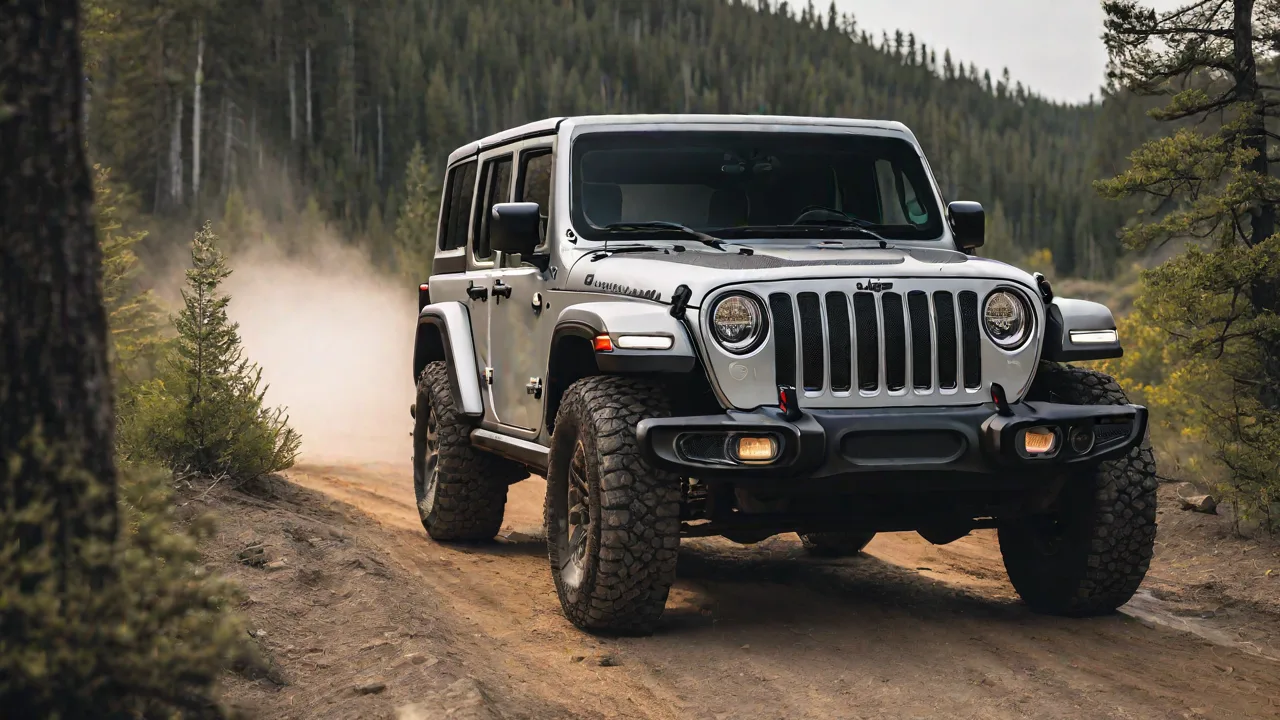
Tips for Creating Detailed Build Logs on Jeep Community Platforms
Building a Jeep is a passion project. Whether you are piecing together a rugged overlanding rig, building a rock-crawling monster, or restoring a classic CJ, every modification tells a story. Sharing that story through a detailed build log on Jeep community platforms like JeepForum.com, JK-Forum, Gladiator Forum, or even a dedicated Facebook group can be incredibly rewarding. A well-crafted build log does more than just show off your work—it becomes a resource, an inspiration, and a lasting record for both you and the community. But creating a log that is genuinely helpful and engaging requires more than just posting a few photos. This guide will walk you through the essential strategies to produce build logs that stand out, attract valuable feedback, and help others learn from your journey.
Plan Your Build Documentation Before the First Bolt Turns
The most compelling build logs don’t happen by accident. They are the result of thoughtful planning that starts well before you pick up a wrench. Instead of shooting from the hip, take time to map out the story you want to tell. This planning phase will save you hours of headache later and ensure you don’t miss critical steps.
Define Your Project’s Scope and Milestones
Start by writing a rough outline of your build. Break it down into logical phases: initial inspection and tear-down, suspension and lift, drivetrain upgrades, electrical and lighting, interior refinements, and finishing touches. Each phase can become a separate post or a chapter in your log. For example, if you are installing a 4-inch lift kit on a JK Wrangler, your milestones might include gathering parts, removing the old suspension, installing new control arms, setting pinion angles, and aligning the vehicle.
Create a checklist of every part, tool, and procedure you expect to use. This checklist will serve as a roadmap and help you remember to photograph and describe each step. Sharing your checklist early in the log also gives readers a preview of what is coming and builds anticipation.
Document Your Starting Point
Before you do anything, thoroughly document your Jeep in its original condition. Take photos from all four corners, the interior, the engine bay, and underneath. Measure ride height, record any existing damage, and note factory specifications such as wheelbase, track width, and stock tire size. This baseline data is invaluable for showing the transformation and will help you calculate the effect of your modifications later.
Capture High-Quality Visuals That Tell the Story
In the world of build logs, a picture truly is worth a thousand words. Poor lighting, blurry photos, and awkward angles can hide the most impressive work. Investing time in good photography will dramatically improve the usefulness and appeal of your log.
Lighting and Background
Natural daylight is your best friend. Shoot on a cloudy day for even lighting, or in the early morning or late afternoon for warm, directional light. Avoid using the harsh overhead light of a garage—it creates terrible shadows and odd color casts. If you must work indoors, set up a couple of inexpensive work lights with diffusers to eliminate harsh shadows. A clean, uncluttered background helps the viewer focus on the detail you are highlighting. For close-ups of welds, bolt placements, or wiring, consider using a small LED ring light to eliminate shadows.
Multiple Angles and Context Shots
Never settle for a single photo. For each step, shoot the overall view, a mid-range shot, and a close-up. When installing a new bumper, for instance, show the bare frame before mounting, the bumper positioned but unbolted, the bolt holes lined up, and the final installed product from front and side angles. Include a ruler or a known object (like a socket or a can of beer) in some shots to give scale. Before-and-after comparisons are especially powerful—use a split-screen style or two photos side by side in your post to make the progress obvious.
Video Snippets for Complex Actions
Some procedures are nearly impossible to capture in still images. For steps like bleeding brakes, aligning axle shafts, or tuning a carburetor, a short 30-second video can be far more effective. Most community platforms allow you to embed YouTube or Vimeo videos directly into your log. Keep videos short, well-lit, and narrate clearly. A simple smartphone tripod and a lapel microphone will give you professional-quality results without breaking the bank.
For more photography tips specific to automotive documentation, check out DPReview’s guide to photographing cars—many of the same principles apply under the hood.
Write with Precision and Detail Every Step of the Way
Good writing separates a mediocre build log from an essential resource. The more specific you are, the more valuable your log becomes to others attempting similar work. Don’t assume readers know what you know—spell it all out.
Document Part Numbers and Specifications
List every part you install by manufacturer name, model number, and intended application. If you used a spring with a specific rate or a shock with a certain extended length, include those numbers. For example, instead of saying “I installed new shocks,” write “I replaced the factory Rancho shocks with Bilstein 5100 series (Part #33-185552) front and 33-185565 rear, which offer a 2-inch lift for the JK and a firmer damping curve for on-road handling.” This level of detail helps readers source the right parts and avoid costly mistakes.
Describe Tools and Techniques
Share the exact tools you used, including any specialty tools that made the job easier. If you used a torque wrench, mention the required torque value and the grade of fastener. Describe any modifications to standard procedures—for instance, “I had to trim the lower control arm bracket by 1/8 inch to clear the new shock reservoir.” Include tips like “using anti-seize compound on the bolts will prevent galvanic corrosion between the steel bracket and aluminum axle housing.”
When you encounter a tricky step, explain why it is tricky and how you worked around it. This kind of honesty builds trust and positions you as a credible source. For a comprehensive reference on common Jeep repair procedures, the JeepForum DIY section is an excellent peer-reviewed resource to link to when referencing standard practices.
Use Clear, Jargon‑Light Language
While the Jeep community is full of knowledgeable enthusiasts, not everyone reading your log will be a seasoned mechanic. Avoid assuming too much. When you use slang or acronyms like “RCV,” “D44,” or “SYE,” define them the first time. Write as if you are explaining the process to a friend who owns a Jeep but hasn’t done the work themselves. This approach makes your log accessible to beginners and still respectful to veterans.
Share Troubleshooting Tips and Lessons Learned
The most revered build logs are those that don’t gloss over problems. Every Jeep build hits a snag—a bolt that won’t budge, a part that doesn’t fit, a wiring diagram that turns out wrong. Documenting these moments with honesty and solutions is what turns a typical log into a goldmine of practical knowledge.
Common Pitfalls to Document
If you discovered that the aftermarket track bar relocation bracket interfered with the factory steering stabilizer, show a photo of the interference and explain how you resolved it (e.g., “I replaced the stock stabilizer with a Fox ATS stabilizer mounted above the tie rod”). If a bolt snapped while torquing, describe how you extracted it—was it with a left-hand drill bit, an impact driver, or by welding a nut onto the broken stub? Include the tools used and any tricks you learned.
Provide Alternative Solutions
Sometimes a problem has more than one fix. After explaining your approach, mention alternative methods you considered. This not only helps readers who may not have the same tools but also showcases your depth of research. For instance, “An alternative to cutting the bracket would be to switch to a different brand of control arms that offer more clearance. I chose to trim because it kept my budget lower and the structural integrity was unaffected.”
For additional troubleshooting guidance on common Jeep modifications, the Quadratec blog regularly publishes step-by-step guides and problem-solving articles that you can reference or link to for further reading.
Structure Your Log for Maximum Readability
Nobody wants to wade through a wall of text. A well-organized build log respects the reader’s time and makes it easy to find the information they need. Use visual hierarchy and formatting to guide the eye.
Use Consistent Headings and Subheadings
Divide each major phase into its own post or threaded comment, and within each, use <h3> tags for sub-topics such as “Parts Used,” “Step 1: Removing the Old Component,” “Step 2: Modification Required,” and “Final Result.” This structure lets readers skip ahead to the section they care about most, such as troubleshooting a specific issue.
Employ Lists and Tables
Bullet points and numbered lists are excellent for inventory checklists, step-by-step instructions, and comparative data. For example, create a table comparing before and after measurements:
| Measurement | Stock | After Lift |
|---|---|---|
| Front ride height (fender to center of hub) | 20.5 in | 24.0 in |
| Rear ride height (fender to center of hub) | 21.0 in | 24.5 in |
Most forum platforms support basic HTML tables or you can use image‑based tables. Either way, data presented in a structured format is instantly digestible.
Include a Summary at the End of Each Phase
After describing all the steps in a phase, write a brief paragraph summarizing what was accomplished, noting any important tips, and stating what comes next. This gives readers a sense of closure and builds anticipation for the next update.
Engage with the Community to Build Reputation
A build log is not a monologue; it is a conversation. The most successful builders actively participate in the comments, answer questions, and incorporate feedback. This engagement not only helps others but also establishes you as a trusted resource in the community.
Respond to Every Comment
When someone asks a question, answer it promptly and thoroughly. If the question reveals a gap in your documentation, update your original post with the additional information. For example, if a user asks “Did you have to remove the engine skid plate to access those bolts?” and you forgot to mention it, edit your post to include that detail and thank the commenter. This shows you value their input and are committed to making your log better.
Ask for Feedback and Use It
At the end of each phase, invite readers to share their own experiences or suggest improvements. You can write something like: “Has anyone else installed this particular shock? I’m curious if you also needed to grind the mount or if it was a direct fit on your model year.” This opens the door for collaborative learning and often brings in solutions you hadn’t considered.
For more tips on effectively participating in automotive forums, the Forum Foundry’s guide to community engagement offers strategies that apply directly to Jeep build logs.
Give Credit and Link to Other Builds
If you used a technique you learned from another forum member or followed a guide from a popular builder, mention them by name and link to their content. This fosters goodwill and encourages reciprocal support. The Jeep community values generosity, and sharing credit builds your reputation as a collaborative and trustworthy member.
Maintain Momentum with Regular Updates
A build log that goes quiet for months loses its relevance and its audience. Consistency keeps your project top-of-mind and provides ongoing inspiration for others. Even if you only have a few minutes, a short update is better than none.
Set a Realistic Posting Schedule
If you are building your Jeep on weekends, aim to post a summary every Sunday evening. If you are in the middle of a major project like a full suspension retrofit, consider posting smaller updates as you complete each subsystem. A good rule of thumb is to update at least once a month, even if the update is just “I’ve been waiting for back‑ordered parts; here’s a photo of them arriving.”
Document Lessons Learned Over Time
As you put miles on your build, you’ll discover what works and what doesn’t. Return to your log weeks or months later to add long‑term impressions. Did the new shocks settle and change the ride height? Did the electrical winch wiring start to corrode? Post a follow‑up with photos and updated measurements. This kind of longitudinal documentation is incredibly valuable because it provides real-world durability data that most build logs lack.
Celebrate Milestones with a Summary Post
When you finish a major phase—like completing the suspension lift, finishing the bumpers, or finally getting the rig on a trail—write a celebratory wrap‑up post. Link back to all the earlier posts in that phase, list the total cost and parts used, and share your biggest takeaway. This capstone post makes your build log easier for future readers to digest and often gets shared across the platform.
Conclusion
Creating a detailed build log on Jeep community platforms is a rewarding way to document your passion, help others, and become part of a vibrant, supportive network. By planning ahead, capturing excellent visuals, writing with precision, honestly addressing challenges, structuring your content for easy navigation, engaging actively with the community, and keeping your log updated, you will produce a resource that stands the test of time. Your log will not only serve as a permanent record of your hard work but will also inspire the next generation of Jeep builders to take on projects they might have thought impossible. So grab your camera, fire up the garage, and start logging—the community is waiting to learn from your journey.